


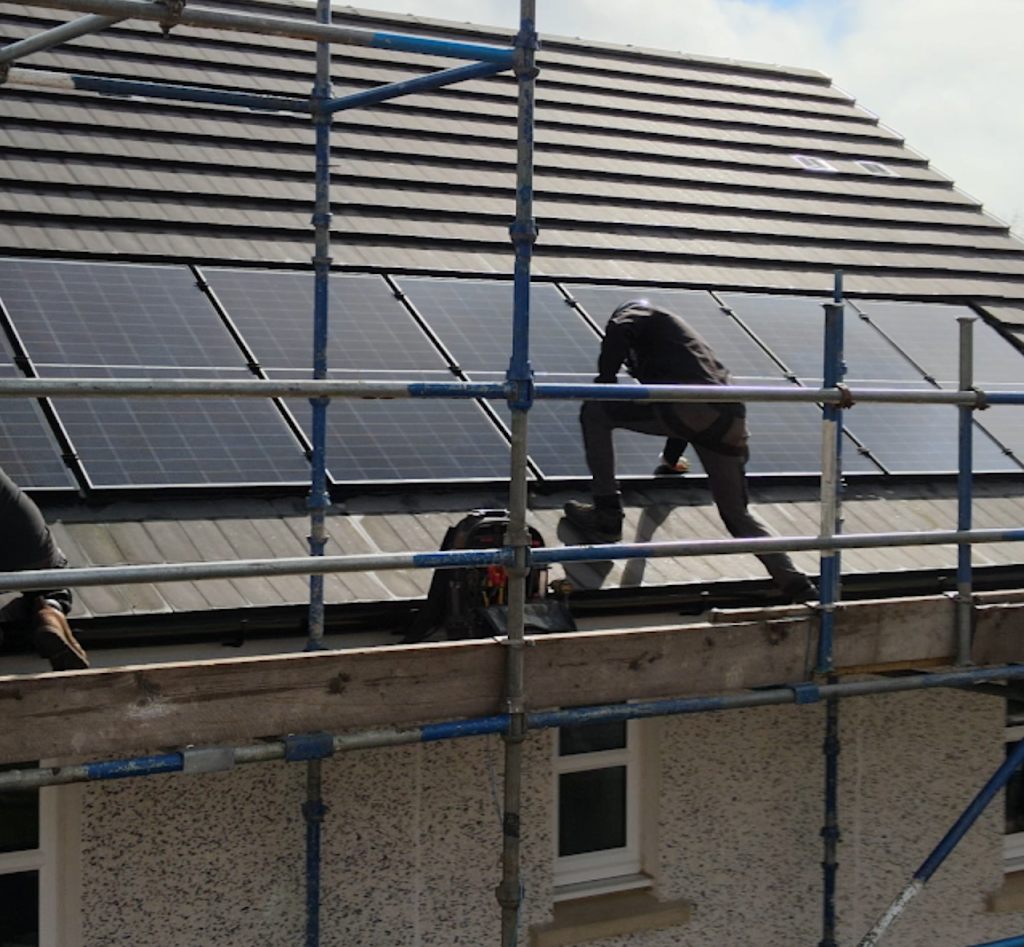
As Glasgow’s leading solar panel installers, we at the Glasgow Boiler Company often get asked, “Do I need to tell my energy supplier I have solar panels in Scotland?” The short answer is yes, but there’s more to it than that. Let’s dive into the details of why and how you should inform your energy supplier about your new solar photovoltaic (PV) installation.
Why You Need to Inform Your Energy Supplier
- Legal Requirement In Scotland, as in the rest of the UK, it’s a legal requirement to inform your energy supplier when you install solar panels. This isn’t just a formality – it’s an important step in ensuring the safety and efficiency of the national grid and the electricity network.
- Accurate Electricity Bills Your energy supplier needs to know about your solar panels to ensure your electricity bills are accurate. With solar panels, you’ll likely be using less energy from the grid, and you may even be exporting excess electricity back to the grid. Your supplier needs this information to bill you correctly and potentially reduce your energy costs.
- Safety Considerations Energy companies need to know about all sources of electricity generation connected to their network. This is crucial for the safety of their workers who might need to carry out maintenance or repairs in your local area.
- Smart Export Guarantee (SEG) If you want to benefit from the Smart Export Guarantee (SEG) scheme, which pays you for the excess energy you export to the grid, you’ll need to inform your supplier or choose an SEG licensee. This is a great way to earn money from your solar installation.
When to Inform Your Energy Supplier
The best time to inform your electricity supplier is as soon as your solar panel installation is complete. At the Glasgow Boiler Company, we typically advise our customers to do this within 28 days of the installation being finished. This ensures a smooth process and helps you start benefiting from your solar power system as soon as possible.
How to Inform Your Energy Supplier
The process of informing your energy supplier is straightforward:
- Contact Your Supplier: You can usually do this by phone, email, or through their website. Look for a section about feed-in tariffs or renewable energy.
- Provide Installation Details: You’ll need to give them information about your solar PV system, including:
- – The date of installation
- – The size of your system (in kilowatt-hours)
- – The make and model of your panels and inverter
- – Your MCS (Microgeneration Certification Scheme) certificate number
- Update Your Account: Your supplier will update your account to reflect your new status as a solar panel owner.
- Arrange for a Smart Meter: If you don’t already have one, your supplier may arrange to install a smart meter. This will help accurately measure the electricity you import and export.
What Happens Next?
Once you’ve informed your supplier, they will update your account. You may see changes in how your electricity bill is calculated, reflecting your reduced reliance on grid electricity. If you’re eligible for the Smart Export Guarantee, your supplier will guide you through the process of setting this up, including choosing the best SEG tariff for your needs.
Additional Considerations
- Distribution Network Operator (DNO): In some cases, you may need to inform your local DNO about your solar installation. Your installer can advise you on whether this is necessary and help with the required connection process.
- Energy Performance Certificate (EPC): To qualify for the best SEG rates, your property may need to have an Energy Performance Certificate (EPC) rating of D or above. We can advise you on this during the installation process.
- Insurance: It’s a good idea to inform your home insurance provider about your new solar panels. They may need to adjust your policy to ensure your panels are covered.
- Battery Storage: If you’re considering adding battery storage installations to your solar system, this might affect how much electricity you export to the grid. Be sure to inform your supplier if you make this addition.
- Planning Permission and Building Warrants: In most cases, solar panels are considered permitted development in Scotland and don’t require planning permission. However, if you live in a conservation area or a listed building, you may need to check with your local council. Building warrants are typically not required for solar panel installations.
How We Can Help
At the Glasgow Boiler Company, we don’t just install your solar panels and leave you to figure out the rest. We provide comprehensive support throughout the process, including:
- Advising you on the best time to inform your supplier
- Providing all the necessary documentation and information you’ll need
- Offering guidance on choosing the best SEG tariff for your needs
- Helping you understand your new energy usage patterns and how to maximise your savings
We’re committed to making your transition to solar energy as smooth as possible, from the initial consultation right through to helping you navigate the post-installation procedures.
Find Out More About Solar Panels Today!
While it may seem like an extra step, informing your energy supplier about your new solar panels is a crucial part of the installation process. It ensures you’re complying with legal requirements, receiving accurate bills, and potentially benefiting from export tariffs.
Remember, installing solar panels is more than just adding technology to your roof – it’s about changing how you interact with the energy system. By keeping your supplier informed, you’re playing your part in the transition to a cleaner, more sustainable energy future.
If you’re considering installing solar panels or have any questions about the process, don’t hesitate to get in touch with us at the Glasgow Boiler Company. We’re here to guide you every step of the way, ensuring you get the most out of your solar investment. Whether you’re looking to save money on your energy bills, reduce your carbon footprint, or even power an electric vehicle, we can help you make sense of the options available and find the right installer for your needs.
For more advice on solar panels, energy efficiency, or other home energy solutions like heat pumps, you can also contact Home Energy Scotland. They offer free, impartial advice to help you make your home more energy-efficient and sustainable.


