


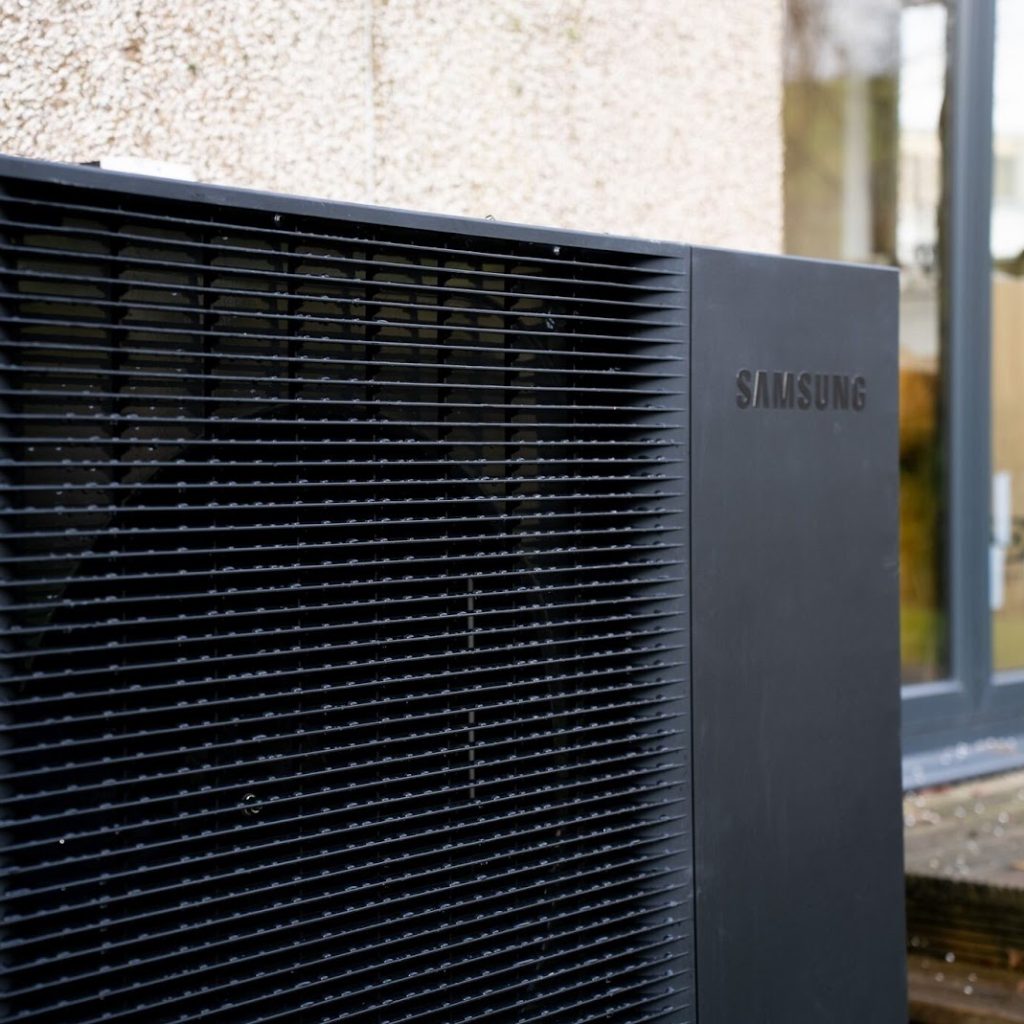
Are you looking to maximise the performance of your air source heat pump while minimising your energy bills? As energy costs continue to rise and more Scottish homeowners transition to renewable heating solutions, understanding efficient way to run air source heat pump has never been more important. Whether you’re a new heat pump owner or considering installation, this comprehensive guide will walk you through expert strategies to optimise your system’s performance, reduce running costs, and ensure year-round comfort in Scotland’s challenging climate.
Understanding Your Air Source Heat Pump Basics
An air source heat pump (ASHP) is an energy-efficient alternative to traditional heating systems, extracting heat from the outside air and converting it into usable heat energy for your home. Unlike gas boilers, which burn fossil fuels, ASHPs use renewable energy sources to absorb heat and transfer it indoors. The technology behind heat pumps allows them to work even in very cold weather, making them a suitable option for homes in Scotland.
Heat pumps work by using an outdoor unit to extract heat from the surrounding air. This heat is then transferred to a refrigerant, which is compressed to increase its temperature. The heated refrigerant then passes through a heat exchanger, providing warmth for your central heating system and hot water supply. Air source heat pumps can integrate with various home heating systems, including radiators, underfloor heating, and hybrid systems that combine ASHPs with a traditional gas boiler.
There are different types of heat pumps available, including air-to-water and air-to-air systems. Air-to-water heat pumps are the most common in Scotland, as they provide both heating and hot water, whereas air-to-air heat pumps function more like air conditioning units, providing space heating but not water heating. Some homes may also consider ground-source heat pumps or water-source heat pumps as alternative renewable heating systems.
Optimal Temperature Settings
To achieve maximum efficiency, it is essential to set your ASHP at the ideal temperature range. Heat pumps work best when maintaining a consistent temperature rather than being turned on and off frequently. The recommended temperature for optimal efficiency is around 18–21°C.
During the day, keeping the thermostat at a steady temperature ensures that the system does not have to work harder to reheat the home. At night, a slight reduction in temperature can help save on energy costs without compromising comfort. Smart thermostat programming can assist in adjusting temperatures based on your daily routine. Seasonal adjustments are also necessary, as colder months may require a small increase in output, while summer settings can be lowered to maintain efficiency.
Getting Maximum Performance in Scottish Weather
Scottish winters bring extremely cold climates, but modern ASHPs are designed to operate efficiently in such conditions. One of the key factors in ensuring energy efficiency is managing defrost cycles. The outdoor unit can accumulate frost in very cold weather, so most heat pumps are equipped with an automatic defrost function that prevents ice buildup and maintains performance.
Weather compensation controls adjust the heat output based on the outside temperature, ensuring a balance between comfort and energy efficiency. Seasonal performance factors also play a role in optimising efficiency, as adjusting the system according to varying weather conditions can help reduce heating costs.
Money-Saving Operation Tips
To reduce energy bills, it is crucial to run the heat pump at the right times. The best times to run your heat pump are during off-peak electricity tariff hours when energy costs are lower. Many UK households can take advantage of off-peak tariffs, which significantly reduce heating costs compared to traditional heating methods.
Comparing running costs between heat pumps and conventional heating systems highlights the cost-saving benefits. Although heat pump installation requires an initial investment, long-term energy savings make them a financially viable option. Data shows that an efficient heat pump system can reduce heating bills by up to 50% compared to a traditional gas boiler.
Setting Up Zones for Better Efficiency
Creating multiple heating zones within your home can enhance efficiency and further reduce energy costs. Multi-zone heating allows homeowners to control the temperature in different rooms separately, preventing unnecessary energy consumption in unused spaces.
Smart zoning strategies, combined with underfloor heating systems, can help distribute heat evenly and maintain a comfortable indoor climate. Optimising different living spaces ensures that high-traffic areas remain warm while less frequently used rooms can be heated to a lower temperature.
Maintenance for Peak Performance
Regular maintenance is essential to maintaining maximum efficiency. A basic checklist includes cleaning filters, checking refrigerant levels, and ensuring the external unit remains free from debris. Professional service intervals should be scheduled annually to inspect the system and address any potential issues.
Homeowners can also perform DIY maintenance, such as clearing leaves and dirt from the outdoor unit and checking for leaks. Common issues, such as reduced heat output or strange noises, can often be resolved through simple troubleshooting, but persistent problems should be addressed by a qualified heat pump installer.
Boosting System Efficiency
Improving home insulation plays a crucial role in ensuring that heat pumps operate efficiently. Cavity wall insulation and loft insulation help retain heat, reducing the workload on the heat pump system. Larger radiators or underfloor heating can also enhance efficiency by distributing heat more effectively.
Some homes may benefit from supplementary heating sources, such as hybrid heat pump systems that combine ASHPs with a traditional gas boiler for additional heating support in extremely cold climates. Solar panels can also be integrated to further reduce energy costs and reliance on the grid.
Government Schemes and Support
Warmworks operates the Scottish Government’s Home Energy Scotland scheme, providing vital support for households looking to improve their heating systems. This nationwide program offers fully-funded or heavily subsidised heat pump installations for eligible households, helping to make renewable heating technology accessible to those who need it most. To qualify, households must either own their home or be private sector tenants and meet specific criteria related to benefits, income, or vulnerability status.
Common Mistakes to Avoid
To get the most efficient performance from your heat pump, it is important to avoid common mistakes. Incorrect installation can significantly impact efficiency, so working with a professional heat pump installer is essential. Another mistake is setting the thermostat too high or frequently adjusting it, which can cause the system to overwork and increase running costs. Regular maintenance should also not be overlooked, as neglecting service intervals can lead to efficiency loss over time.
Future-Proofing Your System
To ensure your heat pump remains efficient in the long run, upgrading to newer technology and integrating smart controls can enhance performance. Smart thermostats and energy monitoring systems provide better control over heating, while battery storage options allow excess energy to be stored for later use. A hybrid system that combines an air-source heat pump with a conventional heating system can also provide additional flexibility in cold weather.
Maximising Your Heat Pump Investment: The Path to Efficient, Sustainable Heating
An air source heat pump is an energy-efficient, cost-effective, and environmentally friendly heating solution for homes in Scotland. By understanding how heat pumps work, optimising temperature settings, and maintaining the system properly, homeowners can achieve maximum efficiency and lower heating bills.
With Home Energy Scotland incentives making installation costs more affordable, there has never been a better time to switch to renewable heating systems. If you’re considering installing a new heat pump, consult a professional heat pump installer to find the best system for your home and start benefiting from lower energy costs and a reduced carbon footprint.


