


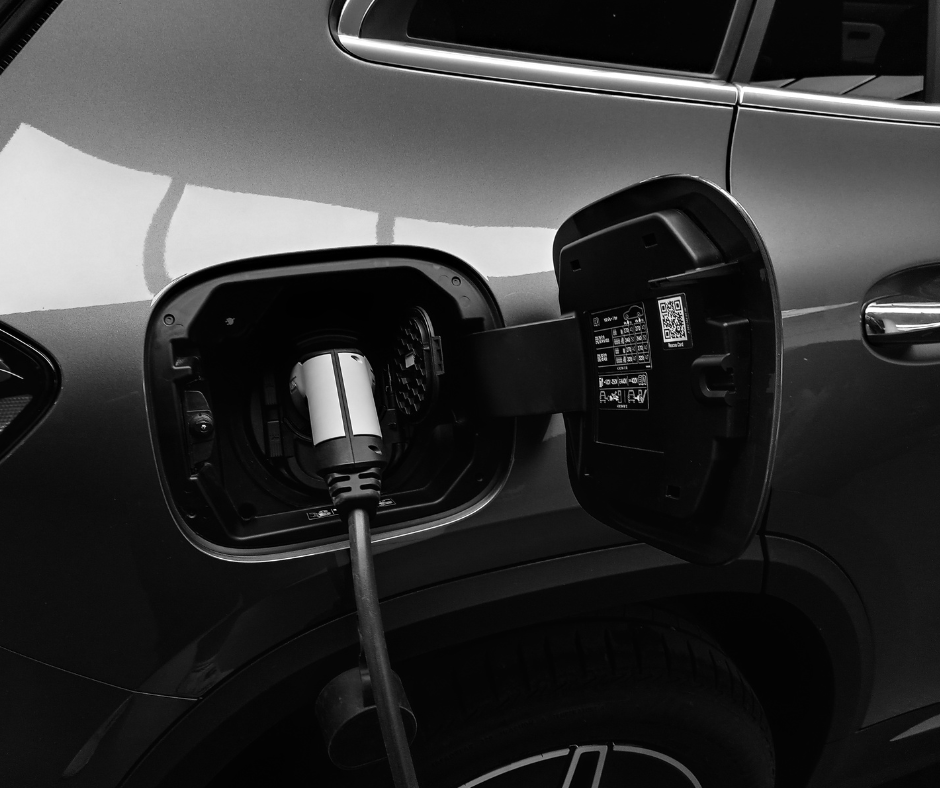
As more drivers switch from petrol or diesel cars to electric vehicles, the demand for electric vehicle charging solutions has grown rapidly across the UK. A key question for many new EV owners is: how much does it cost to install an EV charger at home in the UK?
Having a dedicated electric car charger installed at your property is a smart investment, not just for convenience but also for long-term savings, property value, and energy efficiency. In this guide, we’ll cover everything you need to know about EV charger installation, including the costs involved, the installation process, the types of chargers available, and how to make your system even more efficient with renewable energy sources like solar panels.
Why Install an Electric Car Charger at Home?
If you’re thinking of buying an electric car, or already own one, installing a home EV charger can make a significant difference to your day-to-day life. Relying solely on a public charger can be inconvenient and more expensive in the long run. A home charging point allows you to charge your electric car overnight while you sleep and to control your electricity usage more effectively.
Public EV charging is sometimes unreliable, particularly when demand is high. You may have to queue or travel to find an available charging station, which isn’t always practical. Having your own electric car charging point makes it easier to keep your vehicle’s battery topped up regularly without disrupting your schedule.
It also opens the door to using green energy, especially if you install solar panels on your home. Charging your EV with solar power reduces your carbon footprint, lowers your electricity bills, and helps the UK meet its zero-emission vehicle targets.
How Much Does It Cost to Install an EV Charger at Home in the UK?
The typical cost to install an EV charger at home in the UK ranges from £800 to £1,200, although this figure can vary depending on several important factors. These include the type of charger, your electricity supply, how far the charging cable must be run, the condition of your fuse box, and whether any additional upgrades are needed to support the charger’s power requirements.
For a 7kW smart charger, which is the most common option for homes, the average installation cost is around £1,000. This type of charger is suitable for most electric vehicles and offers a good balance between speed and energy efficiency.
If your home requires additional work, such as the installation of an isolator switch, new cabling, or a fuse board upgrade, the cost to install will be higher. Homes with older wiring or unusual layouts may also see increased prices. It’s always advisable to get a professional assessment before moving forward with any electric car charger installation.
What Affects the Cost of EV Charger Installation?
The installation cost of a home EV charger can be influenced by a number of factors, each of which can affect the final price.
The first is the type of charger. Slow chargers are typically 3kW and cheaper to install, but they can take up to 12 hours to fully charge your car’s battery. Fast chargers, usually rated at 7kW, are the most common choice and can charge most cars overnight. Rapid chargers, which are rated at 22kW or higher, offer quicker charging times but may not be suitable for all homes due to the higher electricity supply requirements.
Smart chargers are now considered the standard, especially as they allow for scheduled charging, integration with solar panels, and access to real-time data through a mobile app. A smart electric charger is especially useful when combined with solar power, as it can prioritise charging your electric car when your solar energy system is generating power.
The installation process is another important variable. A straightforward setup, where the charger is placed close to the fuse box, is much cheaper than an installation that requires running a charging cable over long distances or through walls. If you don’t have a suitable electricity meter, or if your home lacks off-street parking, this can also add to the cost.
Your electricity tariff is another point to consider. Switching to a time-of-use tariff that offers lower energy prices at night can help you save even more over time. You may also need to evaluate whether your existing electricity supply can handle the additional electricity usage of a home EV charger. In some cases, a grid connection upgrade may be required, particularly if you plan to charge more than one electric vehicle.
Are There Any Grants or Schemes to Help?
Previously, the Electric Vehicle Homecharge Scheme (EVHS) provided homeowners with a grant to help cover EV charger installation. While this scheme has ended for most, funding is still available for landlords, renters, and those living in flats or apartments. The availability of support depends on your situation, so it’s worth checking the UK government’s latest updates.
Some energy companies also offer bundled deals or discounts when you install a charger through their preferred installers. These packages can sometimes include smart charging features and reduced rates on electricity tariffs.
Charging at Home vs Public Charging
While public charging options, such as ultra-rapid public chargers, are useful when you’re on the go, they come with drawbacks. You may face higher costs per kWh, waiting times, and less control over when and how you charge your electric car. EV charging points in public areas can also vary widely in speed and availability.
Installing a home charging point means you can top up your car’s battery whenever it suits you, without having to rely on electric charging points shared with other drivers. It’s also much easier to manage your charging schedule, especially with a smart charger that lets you program charging times based on your electricity tariff.
In the long term, charging at home is not only more cost-effective but also more sustainable, especially when powered by renewable energy like solar panels. With fewer moving parts and reduced dependence on combustion engine infrastructure, your electric car becomes an even better investment.
Solar Panels and Smart EV Chargers: A Smarter Combo
If you want to reduce your carbon footprint and get the most out of your electric car charger, pairing it with solar panels is a wise move. This setup allows you to charge your electric car using the energy you generate yourself, reducing reliance on grid electricity and increasing your energy savings.
Solar power not only helps reduce your electricity bills but also allows you to make use of any excess solar energy that might otherwise go to waste. This is especially useful when combined with a solar battery, which stores unused power for use at night or during cloudy weather. Together, these elements create a renewable energy loop that supports your electric vehicle and cuts down on carbon emissions.
Is Installing an EV Charger at Home Worth It?
For most electric vehicle owners, the answer is yes. A home EV charger makes it far easier to manage your vehicle, generate clean electricity, and reduce long-term costs. With the ongoing rise in new electric cars, more people than ever are choosing to install chargers at home. It’s a key step in making the most of your electric vehicle and supporting the UK’s green future.
It also adds appeal and futureproofing to your property. More buyers are now actively looking for homes with an EV charger installed, and being able to offer a ready-to-use charging unit could give your property the edge on the green energy market.
Final Thoughts: How Much To Install an EV Charger At Home in the UK?
To summarise, the cost to install a home EV charger in the UK typically falls between £800 and £1,200, depending on installation complexity, the charging unit chosen, and the state of your home’s electricity supply. While this may seem like a significant investment at first, the efficiency, convenience, and energy savings offered over time make it a worthwhile upgrade.
At The Glasgow Boiler Company, we are committed to supporting your transition to a greener, cleaner future. Whether you’re ready to book an EV charger installation or want to explore integrating solar power and renewable energy into your home, we’re here to help you every step of the way.
* All government schemes and incentives mentioned are subject to change please research current eligibility and terms independently before making any decisions


